Why AS1170 Matters: The Standard Behind Safe and Reliable Structures
Most people never think about the forces acting on a structure.
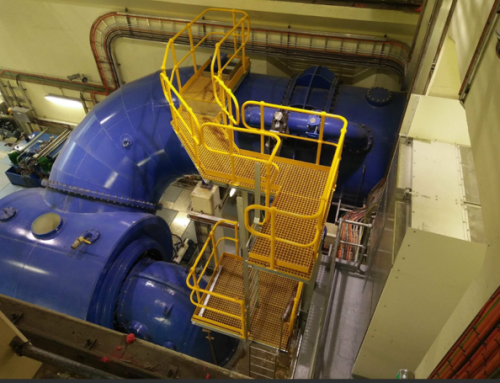
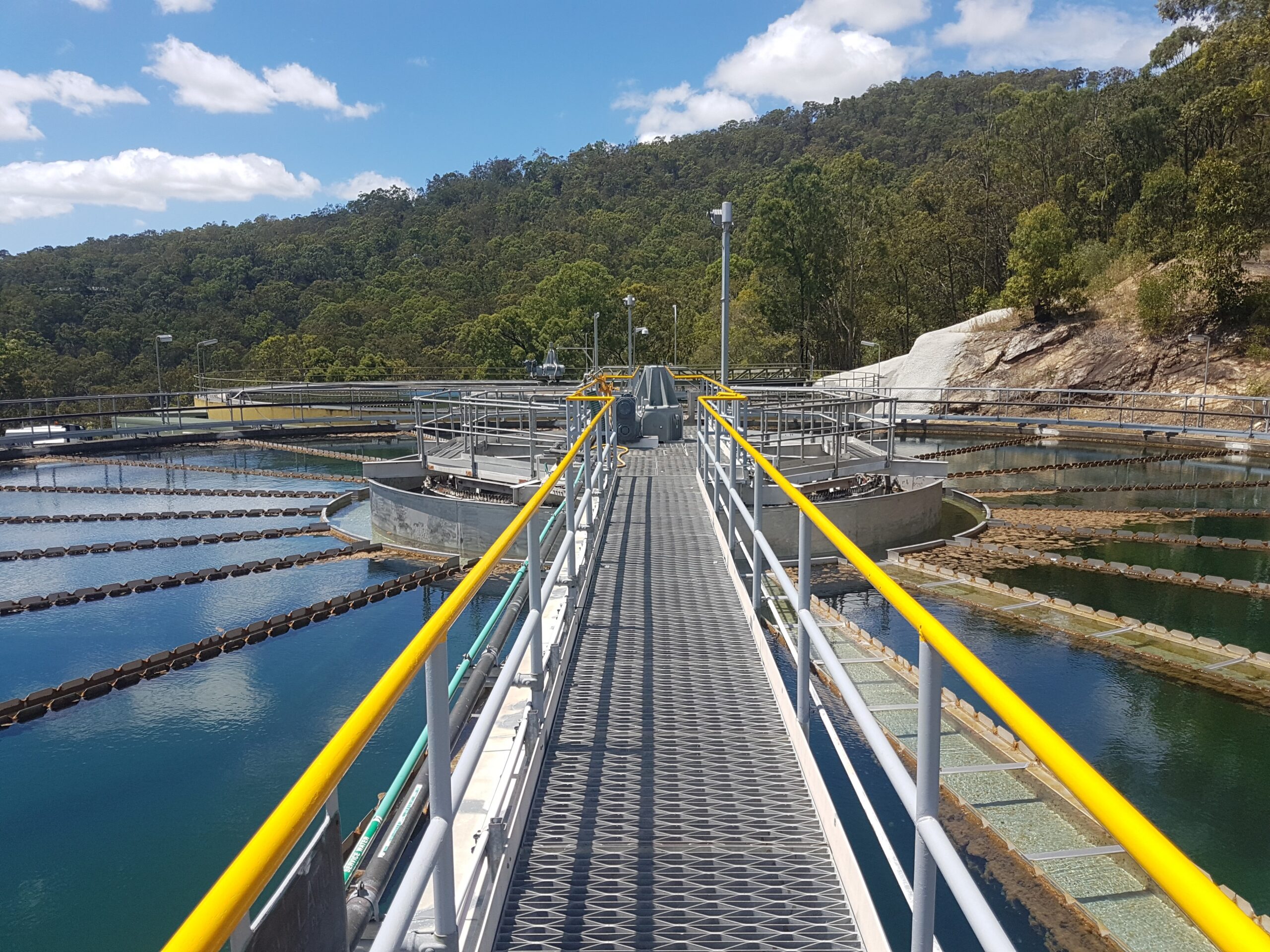
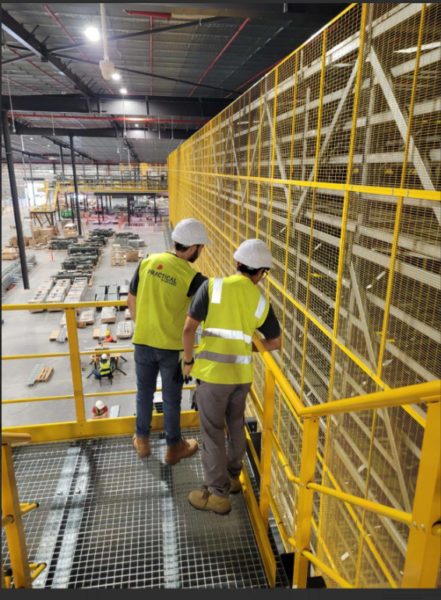
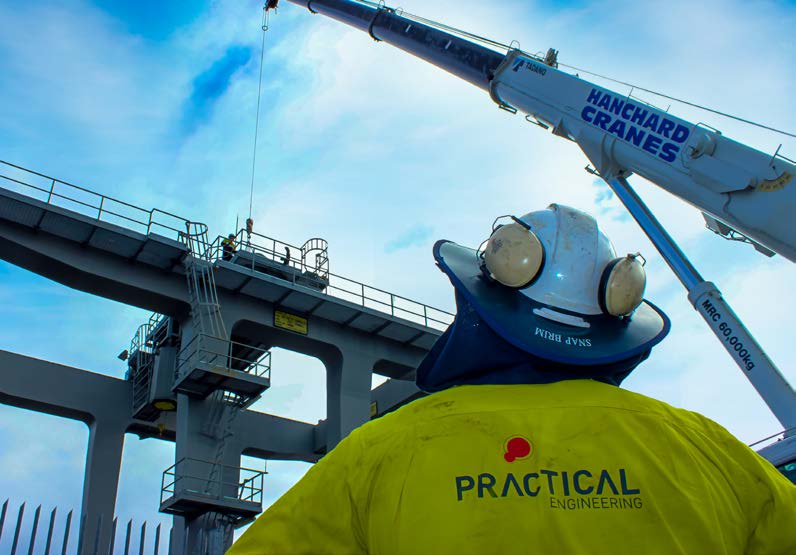
Whether it’s an access platform suspended above a water treatment plant (above), a conveyor support in a mine, a platform in a processing plant, a workshop extension, or a large industrial building, every structure is constantly dealing with loads and forces. Wind pushes against it, equipment vibrates through it, people work on it, and over time the environment takes its toll.
That’s where AS 1170 Structural Design Actions comes in.
At Practical Engineering, we work with the requirements of AS1170 every day. It’s one of the key standards that helps us design structures that are not only compliant, but also safe, practical, and built to perform for decades.
What is AS1170?
In simple terms, AS1170 tells engineers what forces need to be considered when designing a structure.
The standard provides guidance on a range of loading conditions, including:
- Wind loads
- Live loads from people, equipment, and operations
- Dead loads from the structure itself
- Snow loads (where applicable)
- Earthquake actions
- Other environmental and operational forces
Its purpose is straightforward: make sure structures can safely withstand the loads they’re likely to experience throughout their design life.
While most people only notice a structure when something goes wrong, good engineering is about making sure that never happens in the first place.
How we use AS1170 at Practical Engineering
For us, AS1170 isn’t just a document sitting on a shelf, at Practical Engineering we use it every day. It’s embedded into the way we approach structural design from day one.
Whether we’re designing a new access platform, assessing an existing structure, modifying plant equipment, or developing a completely new facility, we use the principles of AS1170 to understand how the structure will behave under real-world conditions.
Our team combines:
- Detailed engineering calculations
- Structural analysis software
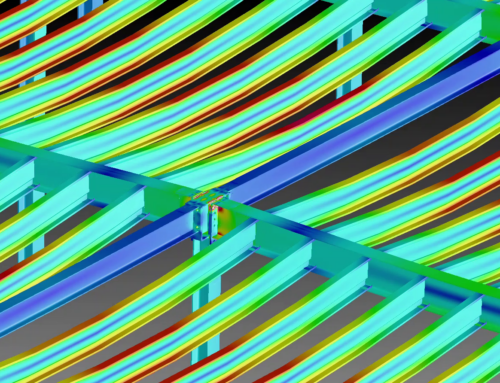
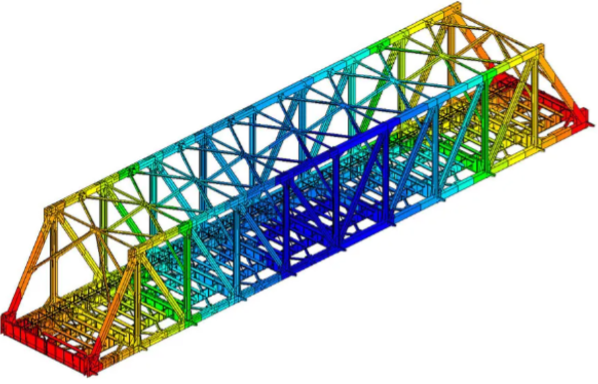
- Finite Element Analysis (FEA)
- 3D modelling and simulation tools
- Practical site experience
This allows us to validate designs before construction begins and ensure they perform as intended once they’re operational.
Why is it so important?
Safety Comes First
The most important reason for following AS1170 is safety.
Every engineering decision ultimately comes back to protecting people. By understanding the loads acting on a structure and designing appropriately, we significantly reduce the risk of structural failure and help create safer workplaces and facilities.
It Supports Long-Term Reliability
Nobody wants to spend money fixing something that could have been designed correctly the first time.
Designing to recognised standards helps improve the longevity and performance of an asset. Structures that have been properly assessed for loading conditions are generally more robust, require less maintenance, and provide better long-term value for owners and operators.
Compliance Matters
Engineering standards exist for a reason.
Compliance with AS1170 is often a fundamental requirement for construction and infrastructure projects throughout Australia. Following the standard helps ensure projects meet relevant regulatory and industry expectations while providing confidence to owners, contractors, and stakeholders.
Key areas we investigate
Final Thoughts
AS1170 sits behind countless buildings, structures, platforms, and industrial assets across Australia, even though most people never realise it.
For our team, it’s a standard we rely on every day to help deliver safe and reliable engineering outcomes. Whether we’re designing something new, assessing an existing asset, or developing a modification, understanding the forces acting on a structure is the foundation of good engineering.
Need assistance with structural assessments, modifications, or new designs? The Practical Engineering team has the experience, tools, and industry knowledge to help turn complex engineering challenges into practical solutions.